
Why Blade Size Matters
Wind turbine blades are difficult to transport and challenging to process safely at end-of-life.
Moving full length blades requires oversize transport, permits and complex logistics.
At the same time, cutting composite blades can release dust, raising environmental concerns during decommissioning.
CleanCut solves both challenges by enabling dry cutting with integrated dust capture. This allow blades to be cut into transportable sections while controlling dust emissions, collecting dry dust and debris on site.
This simplifies transport logistics and supports responsible handling and recycling of composite materials.

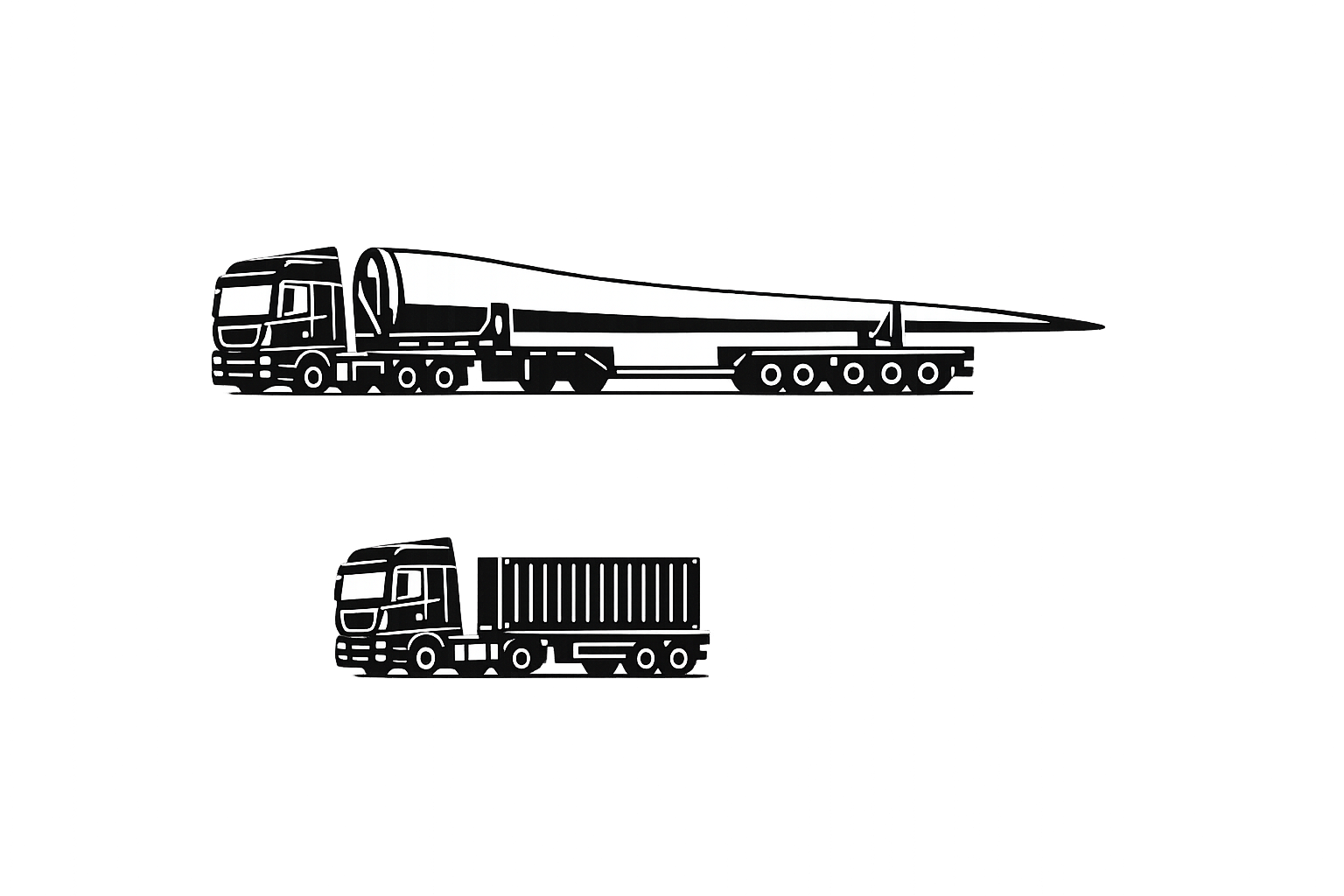
Right-Sizing Before Transport
Dry Cut with Dust Capture

Lower Total Cost
How CleanCut Works
CleanCut integrates industrial cutting equipment with high-efficiency dry dust collection into a single system for wind turbine blade decommissioning.
Building on proven industrial cutting technology, the system is adapted specifically for large composite structures.
Unlike water-based cutting methods, CleanCut uses dry cutting with controlled dust extraction, keeping composite waste streams clean and dry.
Composite materials and residues are therefore more easily used in downstream recycling and waste management.
The system is designed to leverage existing wind turbine logistics and waste handling infrastructure. This simplifies end-of-life blade management while minimising environmental impact.
We are currently engaging with selected industry partners to validate the system on early projects. Let’s start the conversation.
CONTACT US
OTHER INFO
Cookie and Privacy Policy